
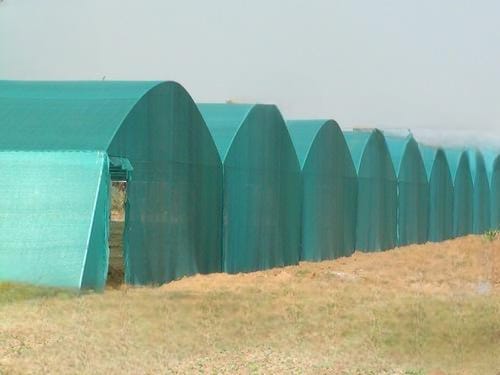
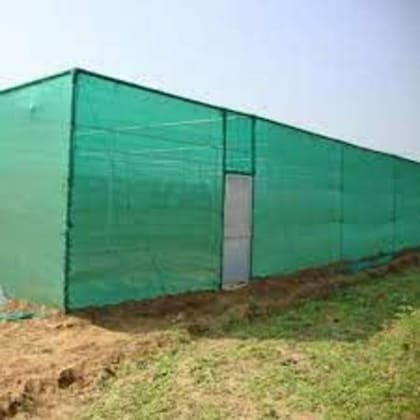
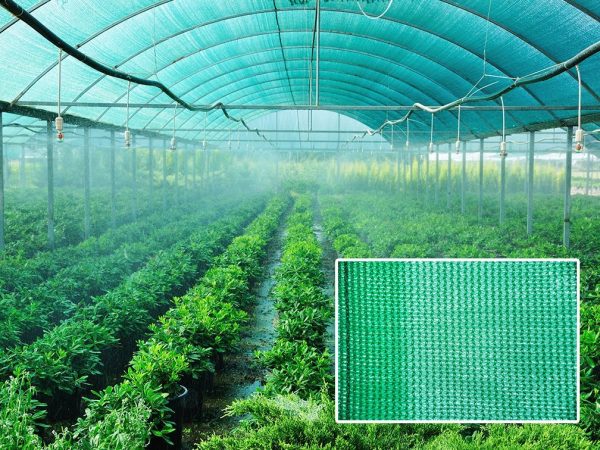
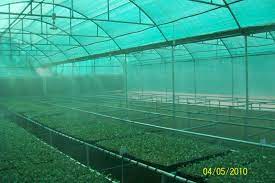
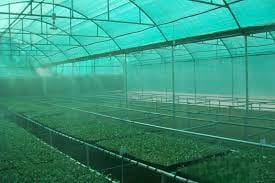
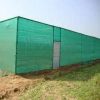
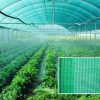
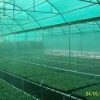
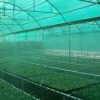
A Net House is a framed structure constructed from materials such as galvanized iron (GI) pipes, angle iron, wood, or bamboo. These frames are then covered with specialized shade or mono nets, which are made from 100% polyethylene thread treated with UV protection. These nets are available in various shade percentages, each designed to control the amount of light and heat that reaches the plants beneath them.
The primary function of a Net House is to create a partially controlled environment for crops. By reducing light intensity and the effective heat during daytime, a Net House helps in creating optimal conditions for plant growth. This controlled atmosphere allows for the cultivation of both seasonal and off-season crops throughout the year, thereby increasing the productivity and profitability of agricultural activities.
Shade nets come in different shade percentages, including 15%, 35%, 40%, 50%, 75%, and 90%. These percentages represent the amount of light the net blocks. For example, a net with a 35% shade factor will cut 35% of the light intensity, allowing 65% of the light to pass through. This variability in shade factors enables farmers to select the appropriate netting based on the specific light and temperature requirements of their crops.
In summary, a Net House is an innovative agricultural structure that uses UV-treated polyethylene nets to provide a controlled environment for plant growth. By managing light and heat levels, it supports year-round and off-season cultivation, offering flexibility and improved yields for farmers. The availability of nets in various shade percentages allows for tailored agricultural practices to meet the needs of different crops.


Reviews
There are no reviews yet.